Immune Disorders
AIDS- Syndrome distinguished bv cellular immune function deficits associated with HIV, evidenced by the development of opportunistic infections
Assessment
- P. Carinni pneumonia
- Stomatitis or esophagitis
- Severe debilitating meningitis
- Cytomegalovirus
- Kaposi sarcoma
Diagnostic
- Positive ELISA and confirmed by western blot assay
- Viral load testing, antigen assays
- CBC reveals leukopenia
High risk groups:
- Homosexual/bisexual men
- IV drug users
- Hemophiliacs via contaminated blood products
- Children of infected mothers in utero or at birth
Implementation:
- Preventative measures
- No cure; antiviral medications
- IV antibiotics
- Treat opportunistic infection
- Standard precautions
- Adequate nutritional intake
- Symptom relief
- Family and client support
Anaphylaxis a serious and immediate hypersensitivity reaction that releases histamine from the damaged cells (localized or systemic).
Cause:
- Food
- Latex
- Medications
- Chemicals
- Cosmetic products
- Environmental factors
Signs and Symptoms:
" Hypo- Tachy- Tachy- Diz - Hoarse- Head- *Pruritus "
- Hypotension
- Tachycardia
- Tachypnea
- Dizziness
- Hoarseness
- Headache
- *Pruritus
PRIORITY NURSING ACTIONS!
- Respiratory status and maintain a patent airway
- Call the Rapid Response Team
- Administer oxygen
- Start an IVF (PNSS)
- Prepare to administer diphenhydramine and epinephrine
- Documentation
Immunodeficiency is the absence or inadequate production of immune bodies.
Goal: Protection against infection.
Autoimmune Disease
Systemic lupus erythematosus (SLE) chronic, progressive, systemic inflammatory disease that can cause major organs and systems to fail. "NO CURE"
Cause: Unknown
Target Organ: Integumentary, GI, Renal
Signs and Symptoms:
- "Butterfly rash"
- Skin: Dry, scaly, raised rash
- Fever
- Photosensitivity
- Joint pain
- Erythema of the palms
Nursing Interventions:
- Monitor skin integrity
- DIET: High Vitamins and Iron, High Protein (Renal: OK)
- Monitor intake and output and daily weight
- Early detection: Lupus nephritis
- Provide emotional and supportive therapy
- Monitor BUN, Creatinine closely
Scleroderma (Systemic Sclerosis) characterized by inflammation, fibrosis, and sclerosis.
Target Organ: Connective tissue, skin, synovial membranes, esophagus, heart, lungs, kidneys, and gastrointestinal tract.
Signs and Symptoms:
- Stiffness and muscle weakness
- Pitting edema of the hands and fingers
- Taut and shiny skin
- Decreased ROM
- Joint contractures
Nursing Interventions:
- Encourage activity as tolerated.
- Room temperature: constant
- DIET: Small frequent meals; AVOID: Spicy, Caffeine, Alcohol
- Advise the client to sit up for 1 to 2 hours after meals
Polyarteritis Nodosa is a form of systemic vasculitis that causes inflammation of the arteries in visceral organs, brain, and skin. Prognosis: Poor
Signs and Symptoms:
- Severe abdominal pain
- Bloody diarrhea
- Weight loss
- Elevated ESR
Nursing Interventions:
- Monitor skin integrity
- DIET: High Vitamins and Iron, High Protein (Renal: OK)
- Monitor intake and output and daily weight
- Early detection: Lupus nephritis
- Provide emotional and supportive therapy
- Monitor BUN, Creatinine closely
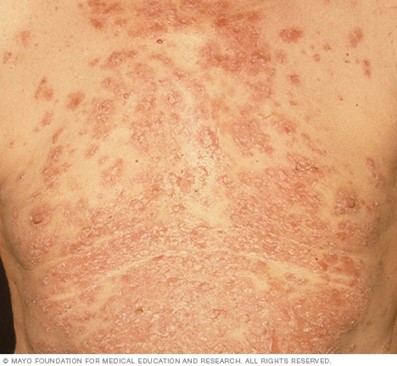
Pemphigus is a rare group of blistering autoimmune diseases that affect the skin and mucous membranes.
Signs and Symptoms:
- Fragile, partial-thickness lesions
- Nikolsky’s sign: Separation of the epidermis caused by rubbing the skin
- Malaise, pain, and dysphagia
Nursing Interventions:
- Provide supportive care
- Provide oral hygiene and increase fluid intake.
- Assist with soothing baths
- Administer corticosteroids and cytotoxic agents as prescribed
Goodpasture Syndrome autoantibodies are made against the glomerular basement membrane and alveolar basement membrane.
Target Organ: Lungs and Kidneys
Signs and Symptoms:
- Shortness of breath
- Hemoptysis
- Decreased urine output
- Hypertension and tachycardia
Nursing Interventions:
- Corticosteroid therapy and plasmapheresis
- Provide supportive therapy for pulmonary and renal involvement.
Lyme's Disease caused by the spirochete Borrelia burgdorferi, acquired from a tick bite.
Signs and Symptoms:
- First Stage: Bullseye rash; it may occur anywhere on the body. Flulike symptoms
- Second Stage:Joint pain
- Third Stage: Arthritis
Nursing Interventions:
- Gently remove the tick with tweezers
- Wash with soap and water
- Perform a blood test 4 to 6 weeks after a bite
- Avoid areas that contain ticks, such as wooded grassy areas
Post transplantation Immunodeficiency is a immunosuppression caused by therapeutic agents.
Signs and Symptoms:
- Assess for signs of opportunistic infections.
- Assess nutritional status.
- Assess for signs of rejection
Nursing Interventions:
- Strict aseptic technique is necessary
- Provide psychosocial support
- Provide client teaching about immunosuppressants